Property Management for Second-Home Owners on Cape Cod
Second home property management on Cape Cod is really about catching small problems before winter turns them into big ones. Most second homes on Cape Cod sit empty seven or eight months of the year. The owners are in Boston, New York, or further afield, the heat is turned down, and the house spends winter doing whatever salt air, nor’easters, and freeze-thaw cycles want to do to it. Good second home property management is what stops that from becoming an expensive surprise when you open up in May.
This is what property management actually covers for a Cape Cod second home, what tends to go wrong when nobody’s watching, and how to think about whether you need a service versus a friend with a key.
What “property management” means for a second home
Property management for second homes is not the same as rental management. There are no tenants, no bookings, no cleaning turnovers. The work is caretaking — routine inspections, storm response, seasonal preparation, vendor coordination, and being the local set of eyes that catches small problems before they become big ones.
A property manager for a second home is closer to a part-time house caretaker than a real estate agent. The job is to keep your house in the same shape you left it in, no matter what the Cape throws at it between visits.
Second home property management: what goes wrong when a home sits unattended
The greatest hits, from worst to most common:
- Frozen pipe breaks. A heating system failure in January means burst supply lines, soaked drywall, and ten to twenty thousand dollars of water damage before anyone notices.
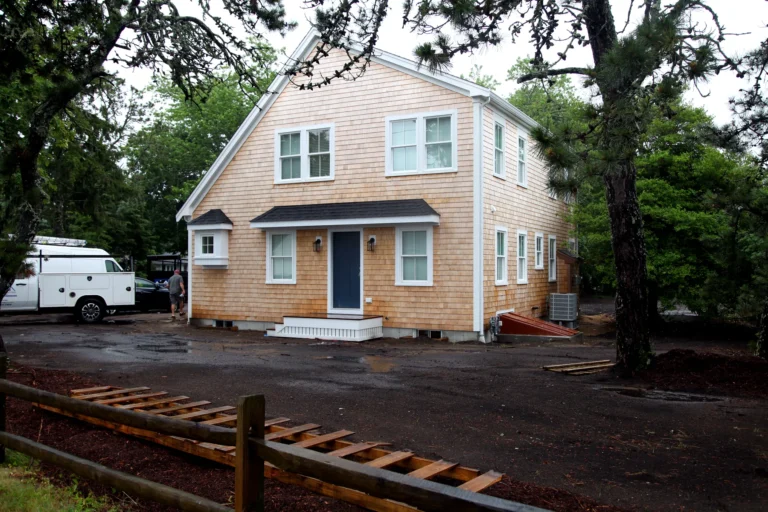
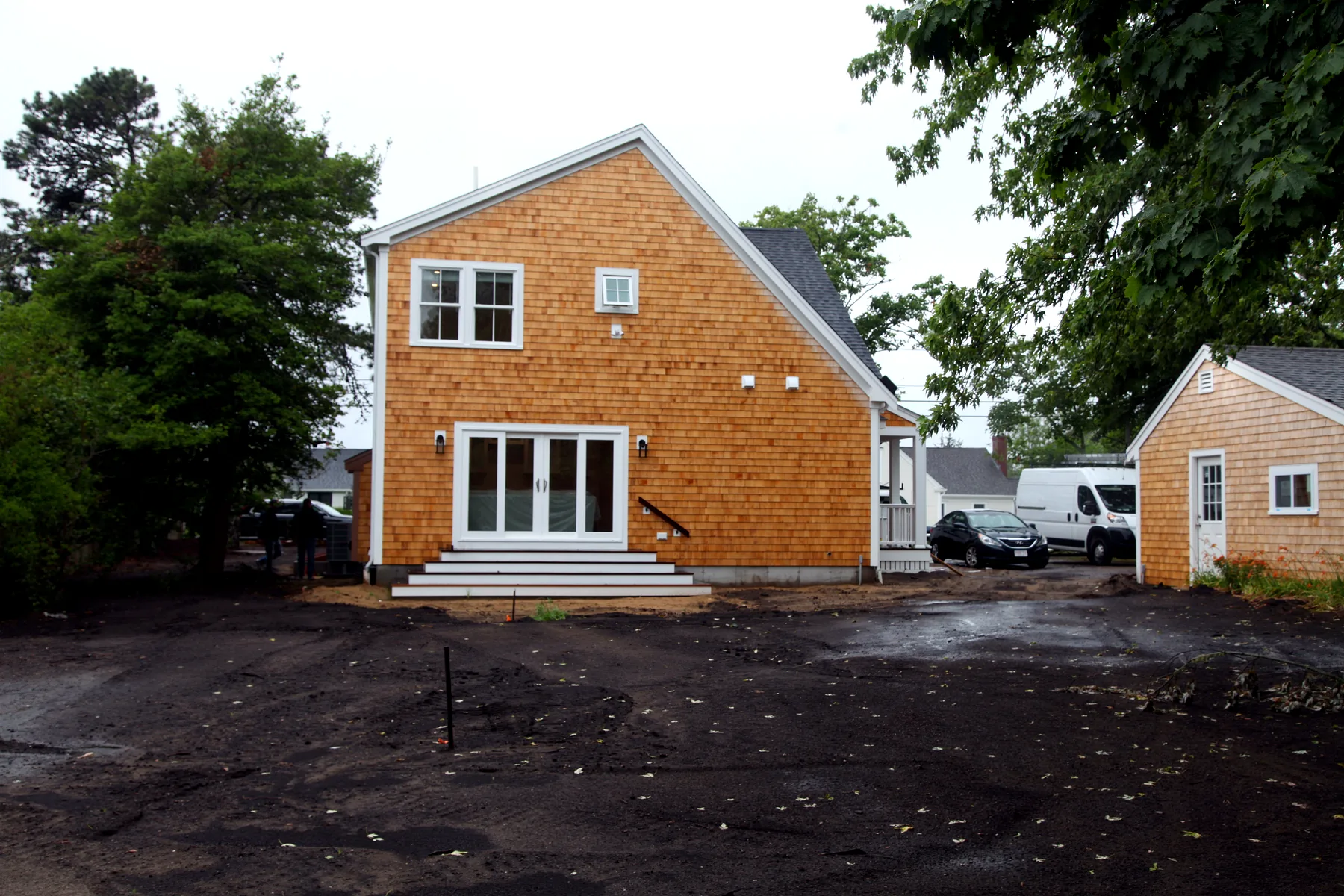
- Roof and siding storm damage. A single nor’easter can lift shingles, blow out flashing, or open up a chimney chase. Unaddressed, water gets in and stays in — which is why cedar shingle siding maintenance matters more on an unoccupied house.
- Mildew and moisture problems. Houses closed up tight with no air movement grow mildew on walls, ceilings, and stored fabrics — especially in basements and bathrooms.
- Mouse and pest infiltration. Cold weather drives rodents inside. By spring you can have nesting in attics, chewed wiring, and a smell that takes weeks to clear.
- Oil furnace lockouts. Cape oil furnaces fail more often than most homeowners expect. A lockout in January, with no caretaker, means a frozen house within thirty-six hours.
- Alarm trips and false-positive emergencies. Without a local response, an alarm trip costs the owner hours of long-distance phone calls and the local PD a wasted visit.
None of these are theoretical. All of them are what working Cape Cod builders see every spring during opening calls.
What second home property management on Cape Cod covers
A real second-home property management service builds the work around your house’s specific needs and your visit schedule. The standard menu:
- Routine interior + exterior inspections — weekly, biweekly, or monthly depending on the season and your appetite for risk. The walkthrough checks for leaks, pest activity, alarm status, HVAC operation, and any storm damage from the prior period.
- Storm response — pre-storm preparation (deck furniture, gutters, outdoor showers) and post-storm assessment within a day or two of the storm clearing. Cape nor’easters and tropical systems both get this treatment.
- Seasonal opening and closing — water system drain-down and recharge, heating system turn-down and turn-up, irrigation winterization, outdoor furniture storage, hot tub coverage, lawn closeout.
- Vendor coordination — landscaper, snow plow, cleaner, HVAC service, plumber, electrician. A good property manager is the local hub that lines up vendors so you don’t manage five separate calendars from out of state.
- Emergency response — alarm trips, water leaks, power outages, frozen pipes, animal break-ins. Fast local response during business hours, with an escalation protocol for off-hours events.
When a friend with a key is enough versus when you need a service
For a small cottage with no winter heat and no real systems to maintain, a friend or neighbor who walks through once a month can be enough.
For a real house — full HVAC, alarm system, multiple bathrooms, outdoor systems, expensive contents — informal arrangements break down. Friends don’t carry liability insurance, can’t get vendor pricing, and aren’t on call when the alarm trips at 3 AM in February. Most owners eventually move from friend-with-key to a real service when they have their first uncovered emergency.
The other variable is distance. If you’re an hour from the Cape, you can run down when something happens. If you’re in Manhattan or Chicago, the math changes fast.
What to look for in second home property management
- Licensed and insured for property services in Massachusetts. Ask for proof.
- Local crew and local vendor relationships. Off-Cape “property management” services that subcontract to whoever’s available don’t work here.
- Documented response-time protocol for emergencies and storm events.
- Year-round operation. Some services only work May–October — that’s exactly the months you don’t need them most.
- Written scope and pricing. Hourly add-ons get expensive; a clear monthly menu with defined inclusions is what you want.
When to call us
Custom Crafted Homes has been building, renovating, and caring for Cape Cod homes for over fifty years — two generations of builders, three generations on Cape Cod, serving all 15 Cape Cod towns. We provide property management for second-home owners across the Cape, including the inspection, storm response, vendor coordination, and emergency response your house needs when you’re not here.
Give us a call at (508) 619-7909 or reach out and we’ll come walk your property within a business day or two.
For owners closing up for the season, Ready.gov covers freeze and storm prep.