The Real Cost of Home Additions on Cape Cod in 2026
Most Cape Cod homeowners researching home addition cost get the same answer from every national source: "It depends, but expect $X per square foot." That number is almost always wrong for Cape Cod — sometimes high, sometimes low, but always missing the local cost drivers that determine what you actually pay.
This is a working framework for thinking about home addition cost on Cape Cod — what the national numbers miss, which Cape-specific factors move the price, and where the hidden costs most homeowners forget about actually live.
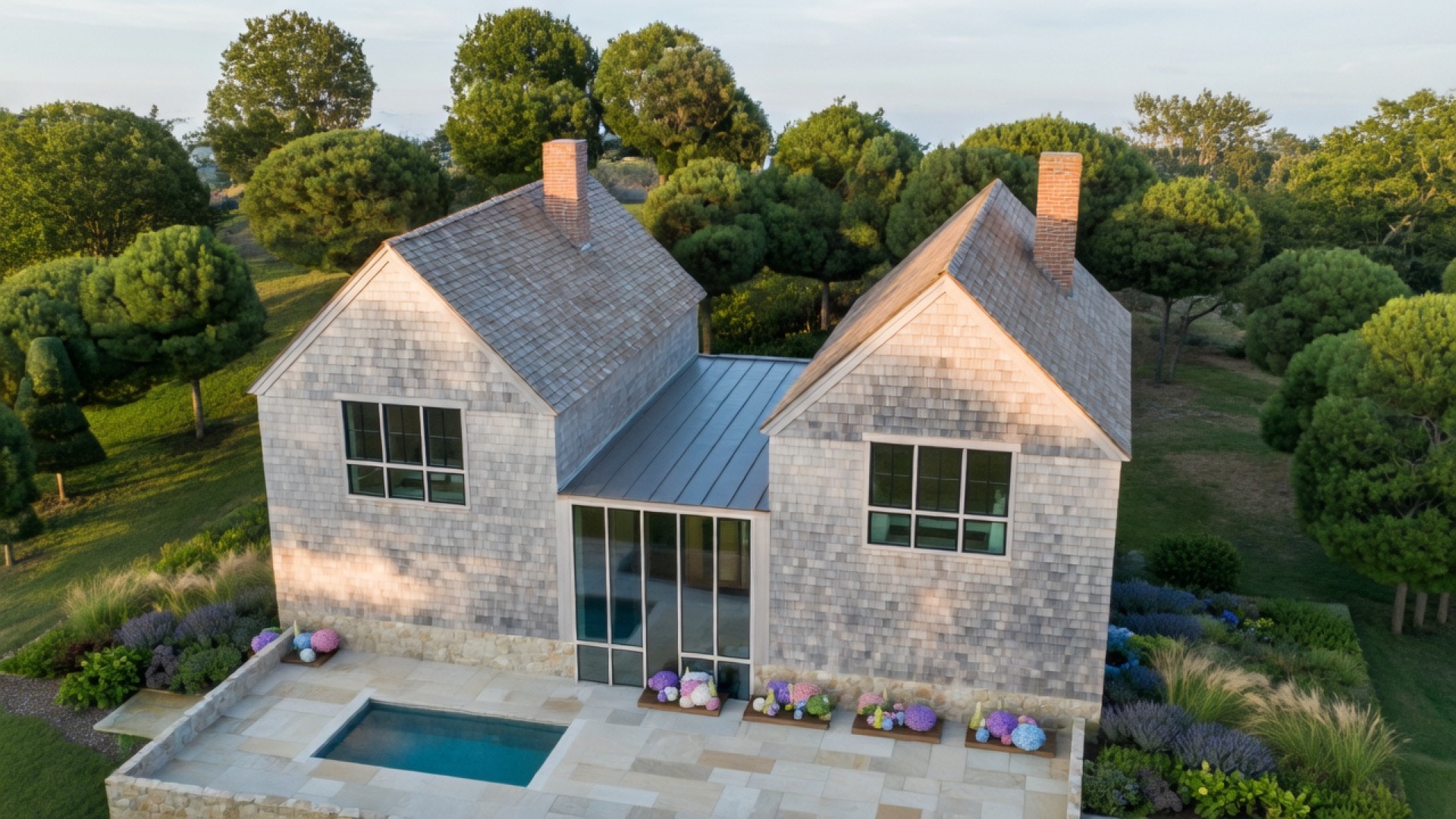
Why "what does a home addition cost?" is the wrong question
A home addition can mean anything from a 200-square-foot mudroom to a 1,800-square-foot second-floor primary suite with a new bathroom and laundry. The cost range across that span is more than 10x. National per-square-foot averages average across all addition types in all markets and end up meaningless for any specific project.
The right question is: what type of addition, on what kind of lot, with what systems, in which Cape town? Each of those four variables independently moves the price by tens of thousands of dollars.
The categories of additions and what drives home addition cost
Different addition types have different cost drivers:
Single-room ground-floor addition (mudroom, sunroom, office)
Lowest-cost category. Usually a slab or pier foundation, single envelope tie-in, no new bathroom or kitchen. Primary cost drivers: foundation type, envelope detailing, finish level.
Bedroom or bathroom addition
Mid-range. A new bedroom alone is relatively simple framing and finish work. A new bathroom requires plumbing extension, electrical capacity check, ventilation, and often septic capacity review (Title 5 issue if you're adding a bedroom). Primary cost drivers: plumbing complexity, septic capacity, foundation type if ground-floor.
Second-story addition
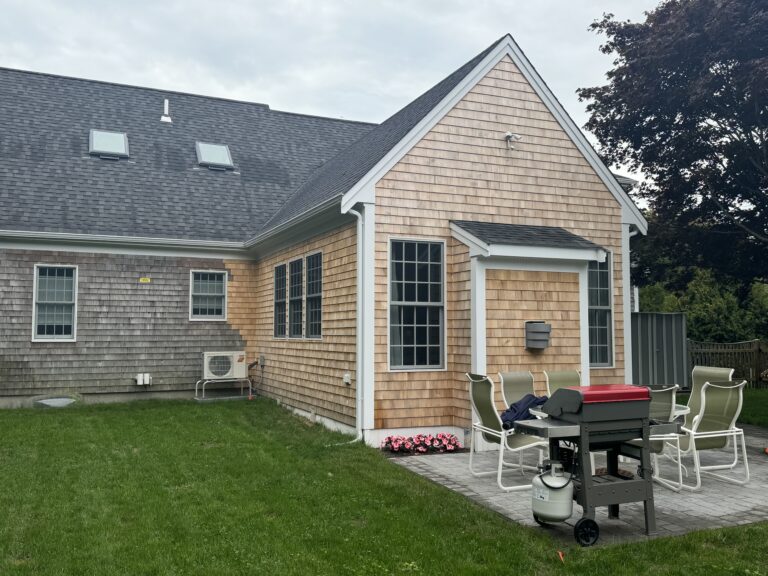
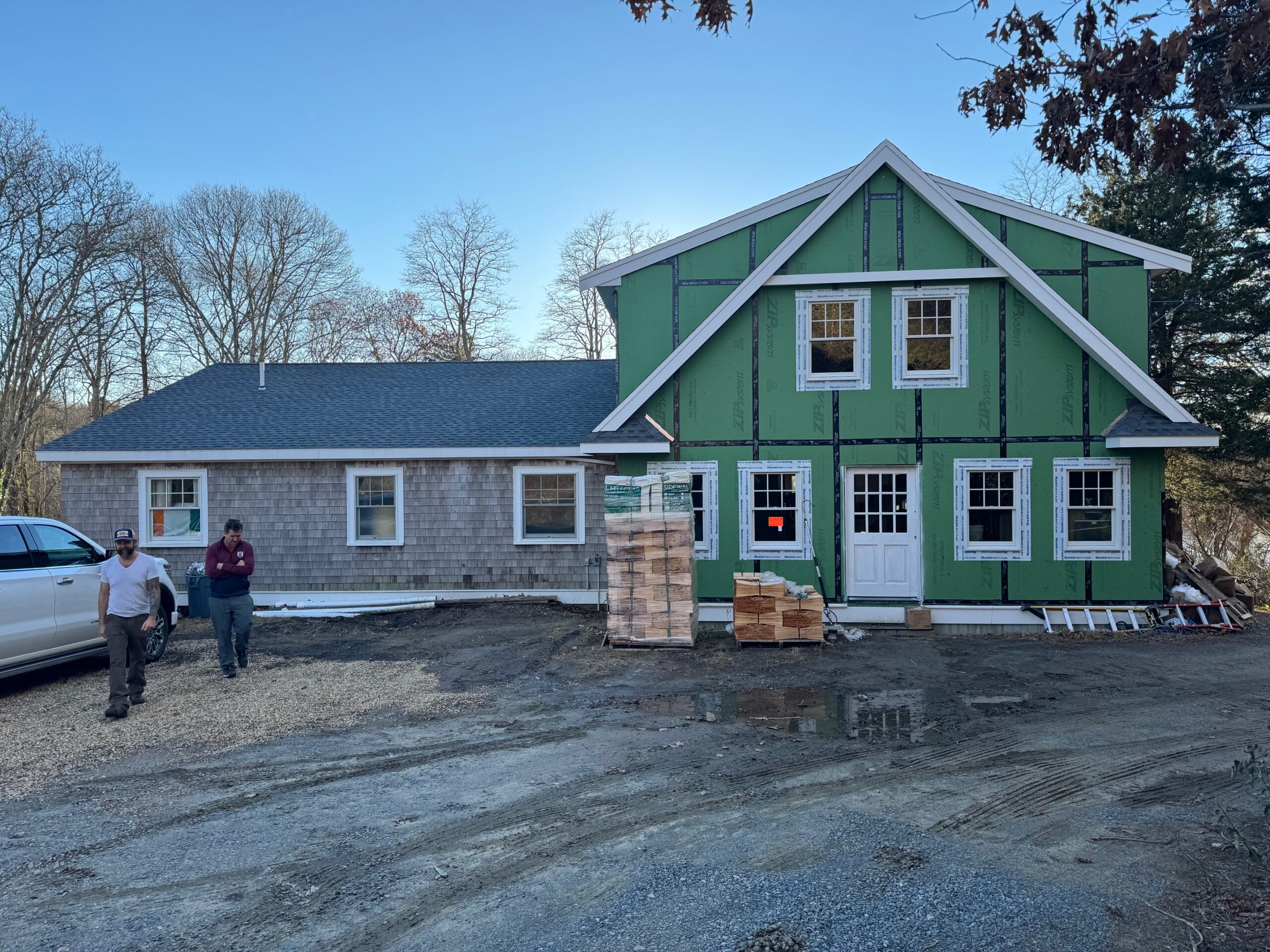
Mid-to-high cost. Requires structural review of existing first-floor framing (sometimes structural reinforcement), new stairs, second-floor systems, and roof reframing. The benefit: usually no new foundation, no lot-coverage impact. Primary cost drivers: structural reinforcement, system extension, roof transition.
Primary suite addition
High cost. Usually includes a bedroom, full bath, walk-in closet, and often a sitting area. Often combined with a second-story expansion. Primary cost drivers: total square footage, bathroom finish level, structural complexity.
Kitchen addition or expansion
Highest-cost category per square foot. Cabinets, countertops, appliances, electrical, plumbing, ventilation, finish. Primary cost drivers: cabinet material and brand, appliance package, layout complexity, electrical capacity.
In-law suite or accessory dwelling
Variable. From a basement conversion to a fully separate dwelling. Highly regulated on Cape Cod — most towns have specific accessory dwelling rules that interact with lot coverage, parking, and water/sewer capacity. Primary cost drivers: regulatory complexity, kitchen build-out, separate-entry construction.
Specific dollar ranges for each category on Cape Cod in 2026 are being validated by Custom Crafted Homes and will be added in a follow-up update. Until then, the framework above tells you what drives the cost; for an actual number on your project, a real estimate is the only honest answer.
Cape Cod-specific factors that move your home addition cost
This is where national cost guides miss most. Cape Cod home addition costs vary from national averages because of five regional factors.
1. Labor availability and pricing
Cape Cod's contractor market is tight year-round, with seasonal pressure in summer when demand spikes. Skilled labor — framing, finish carpentry, plumbing, electrical — runs higher here than off-Cape Massachusetts, with summer premiums on top. A meaningful labor cost premium versus inland Massachusetts isn't unusual.
2. Material transport and logistics
Most building materials come over the bridges. Custom orders, oversized loads, and specialty materials often have surcharges or lead times you wouldn't see at a Metro Boston jobsite. Lumber, concrete, drywall — everything that comes by truck has a Cape premium.
3. Permitting and regulatory overhead
Cape Cod additions often trigger multiple review processes that off-Cape additions don't:
- Conservation Commission review if within 100 feet of wetlands, salt marshes, or coastal banks
- Title 5 septic capacity review if bedrooms are being added
- Old King's Highway review in OKH towns (Sandwich, Barnstable, Yarmouth, Dennis, Brewster, Orleans) — covers exterior changes and additions
- Local historic district review in parts of Falmouth, Truro, Provincetown, and others
- Lot coverage and setback variances if the addition pushes existing limits
Each review process adds weeks to months of permitting time and meaningful soft costs (engineering, surveys, abutter notice, hearing fees).
4. Foundation and dewatering on Cape soils
Cape Cod sits on sandy, often high-water-table soils. Many additions need engineered foundations, drainage planning, or temporary dewatering during foundation work. Bayside lots are usually more straightforward; lots near wetlands or in low-lying areas can need significant geotechnical work.
5. Energy code and storm resistance
Massachusetts updated its stretch energy code aggressively in recent years, and Cape Cod's coastal exposure adds storm-resistance requirements (impact-rated windows in flood zones, hurricane straps, proper roof tie-downs). Both factors push the per-square-foot cost above general national averages.
Hidden costs that raise your home addition cost
When homeowners get sticker shock on a Cape Cod addition, it's usually because of these line items they didn't price in:
- Engineering and geotechnical. A simple addition might be exempt; anything structural or near wetlands probably isn't.
- Survey and site plan. Required for any addition that changes the footprint.
- Septic upgrade or expansion. If you're adding bedrooms and exceeding your current Title 5 capacity, the system needs upgrading. Septic upgrades on small or wet lots can be the single largest line item in an addition project.
- Service panel and connection upgrades. Adding load (kitchen, HVAC, EV charging) sometimes requires a service panel upgrade or transformer changes.
- Demolition and disposal. Even small additions involve demo of existing siding, sheathing, and sometimes interior. Disposal fees on Cape Cod are higher than inland.
- Tying the new envelope to the existing. The seam between old and new construction needs detailing for water management, energy performance, and aesthetics. This is craft work that doesn't show up on a per-square-foot estimate.
- Living-during-construction costs. Temporary kitchens, dust barriers, alternate egress, rental of the spaces you displace.
Financing a home addition
Most additions are financed through one of:
- Home equity loan or HELOC — for homeowners with significant equity and a clear scope
- Cash-out refinance — for those wanting to roll the addition into a new mortgage
- Construction-to-permanent loan — for larger additions where the work approximates new construction
- Renovation mortgage products (203(k), HomeStyle) — for specific use cases where the addition is part of a purchase
Talk to a lender experienced with construction financing before locking your scope. Loan terms can shift the math meaningfully — sometimes a slightly bigger project is cheaper to finance than a slightly smaller one because of fixed origination costs.
Common cost questions Cape Cod homeowners ask
Is it cheaper to build up or build out? Usually building up (second-story addition) is cheaper per square foot than building out (new foundation, new envelope, new roof). The exception is when the existing first-floor framing requires major structural reinforcement to support a second story.
Does a home addition add value to my Cape Cod home? Generally yes, but the ROI varies. Kitchen and primary-suite additions typically have the strongest return. Mudrooms and sunrooms add livability but a smaller percentage of their cost in resale value.
How long does a Cape Cod home addition take? From decision to completion, allow a substantial planning and permitting window before construction starts. Three to six months of that is pre-construction (design, permitting, engineering, conservation review). The actual build time depends heavily on scope.
Do I need an architect? Not always. Many additions can be designed by an in-house designer at a building firm or by a residential designer working with the builder. An architect is required for some larger projects or where local rules specify. The "architect required" question depends on scope, structure, and town.
Can I live in my house during the addition? Usually yes for ground-floor additions that don't affect kitchen or bathroom function. Often no for second-story additions over occupied living space, or for additions that take kitchens or bathrooms offline for an extended period.
When to get a real home addition cost estimate
A real estimate requires a site visit, a defined scope, and (usually) preliminary drawings. National cost calculators and online estimators are useful for early-stage thinking but won't price a Cape Cod project accurately.
If you have a defined scope and want a real number, get two or three quotes from local Cape Cod builders. Ask each builder to break out: foundation/structure, framing/exterior, electrical/plumbing/HVAC, finish work, and soft costs (permitting/engineering/survey). Apples-to-apples comparison requires line-item detail.
Custom Crafted Homes has been building on Cape Cod since 1974 — second-generation builders, third-generation Cape Cod — out of Dennis and serving all 15 Cape Cod towns. We handle home addition projects across the full range of scopes, from single-room expansions to second-story primary suites. If you want a clearer picture of how we scope, price, and run a project, the FAQ is a good starting point. When you have a defined scope and want a real number, call (508) 619-7909 or send us a message and we'll respond within one business day and set up a time to walk your property.
Custom Crafted Homes is a family-owned custom home builder and remodeling contractor based in Dennis, MA, serving all 15 Cape Cod towns since 1974. Fully licensed and insured — MA Construction Supervisor License #CS-074943, Home Improvement Contractor Registration #169552.